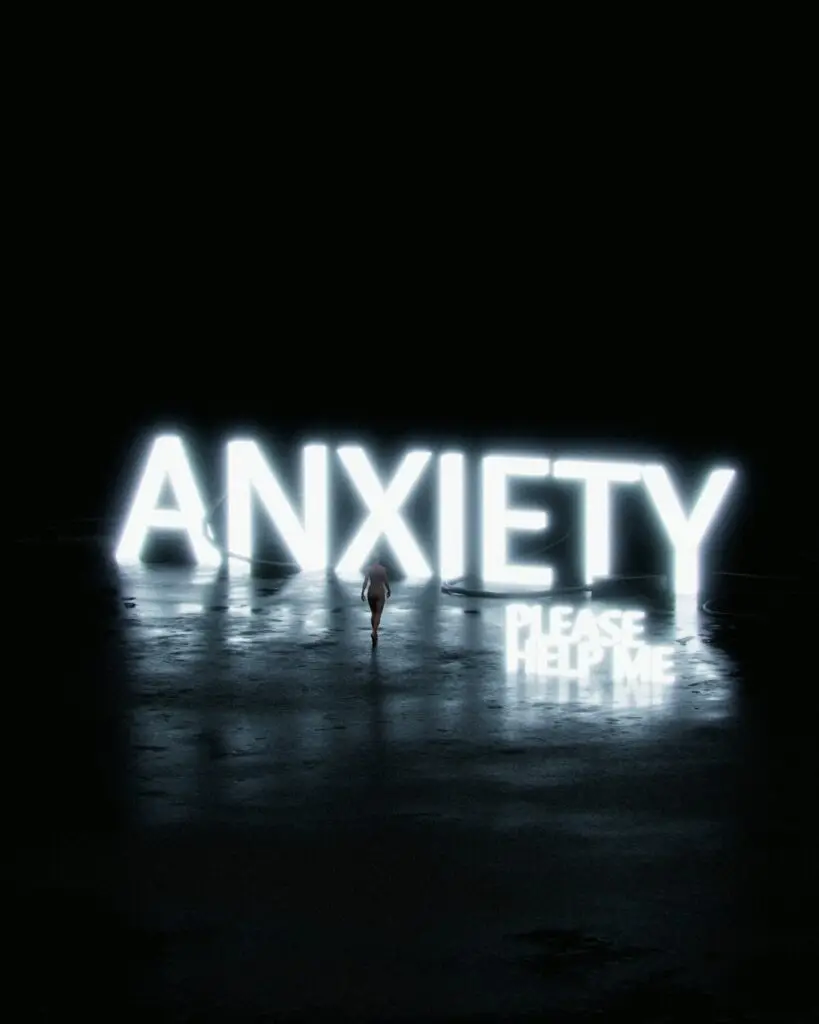
The Chemical Imbalance Myth: What Anxiety Really Is
For decades, millions of people struggling with anxiety have heard the same explanation:
“You have a chemical imbalance in your brain.”
It sounds scientific, comforting, and simple. Take a medication, correct the imbalance, and you’ll feel normal again.
But there’s a major problem with this theory: it has never actually been proven.
There is no blood test, brain scan, or objective medical test that can confirm anxiety is caused by a serotonin deficiency or any single chemical imbalance. Yet this idea became one of the most widely promoted explanations in modern mental health.
That doesn’t mean anxiety isn’t real. It absolutely is.
But it may mean we’ve been looking at it far too narrowly.
Where the Theory Came From
While Schildkraut initially proposed it as a complex, unconfirmed scientific hypothesis, pharmaceutical companies in the
1990s heavily simplified and popularized the concept as a direct-to-consumer marketing strategy. The chemical imbalance concept gained traction alongside the rise of antidepressant medications. Because some medications appeared to affect serotonin levels and some people experienced symptom relief, researchers proposed that low serotonin might be the cause of depression and anxiety.
Over time, this theory became simplified into a marketing message:
“Low serotonin causes anxiety and depression.”
But science never fully confirmed this.
Medication can sometimes reduce symptoms, and for some people it can be very helpful. But symptom relief does not prove the root cause of anxiety was a chemical deficiency in the first place. Painkillers reduce headaches, but headaches are not caused by a lack of painkillers.
A major 2022 umbrella review published in Molecular Psychiatry concluded there is no convincing evidence that depression and anxiety disorders are primarily caused by lowered serotonin activity or concentrations (Moncrieff et al., 2023).
Anxiety Is Often a Whole-Life Problem
Anxiety is rarely just about brain chemistry. More often, it reflects imbalance across several interconnected areas of life:
- Physical health
- Nervous system regulation
- Thinking patterns
- Relationships
- Environment
- Sleep quality
- Stress levels
- Sense of meaning and safety
Anxiety is not necessarily evidence that your brain is broken. It is often a signal that your body is overstressed, your nervous system feels unsafe, or your lifestyle and coping patterns need attention.
The Nervous System and Polyvagal Theory
Polyvagal Theory, developed by Dr. Stephen Porges, explains how the vagus nerve regulates the autonomic nervous system and feelings of safety.
According to Polyvagal Theory, your nervous system constantly scans for cues of safety or danger — a process called neuroception (Porges, 2022). When threat is detected, the body shifts into fight-or-flight mode or freeze/shutdown states.
Chronic anxiety often means the nervous system has become stuck in protection mode, even when no immediate danger exists.
This helps explain why anxiety can feel so physical:
- Racing heart
- Tight chest
- Digestive issues
- Muscle tension
- Shallow breathing
- Fatigue
- Restlessness
These are not “imagined” symptoms. They are real physiological stress responses.
The Gut-Brain Axis
Another important factor is the gut-brain connection.
Research shows that approximately 90% of the body’s serotonin is produced in the gut, not the brain (Martin et al., 2018). The gut-brain axis is a communication system linking the microbiome, immune system, digestive tract, and brain — largely through the vagus nerve.
Studies suggest that inflammation and gut dysbiosis may influence anxiety and mood disorders through immune, neurological, and hormonal pathways (Appleton, 2018).
Emerging research continues to explore how factors such as:
- Poor diet
- Chronic inflammation
- Gut dysbiosis
- Processed foods
- Alcohol overuse
- Sleep disruption
may influence mood and nervous system regulation.
Modern Life and the Anxiety Epidemic
Modern life may also be fueling chronic anxiety in ways many people underestimate.
Humans evolved to experience temporary stress followed by recovery. Today, many people live under constant stimulation and pressure:
- Endless notifications
- Financial stress
- Social media overload
- Poor sleep
- Long work hours
- Information overload
- Isolation and disconnection
- Constant multitasking
Over time, chronic stress can train the brain and body to remain hyper-alert even when no immediate threat exists.
Elevated stress hormones and nervous system dysregulation can create a cycle where the body begins expecting danger everywhere.
This is one reason anxiety disorders have become increasingly common in modern society.
Why This Perspective Matters
The chemical imbalance theory can unintentionally make people feel powerless.
If anxiety is simply defective brain chemistry, then the only logical solution appears to be medication alone.
But when people understand that anxiety is influenced by:
- Nervous system regulation
- Trauma
- Chronic stress
- Sleep
- Relationships
- Thought patterns
- Purpose and meaning
- Inflammation
- Physical health
hope often returns — because many of those things can improve.
Medication Isn’t the Whole Story
This does not mean medication is useless.
For some people, medication can reduce symptom intensity enough to create stability and allow healing work to begin. But medication alone rarely addresses the deeper drivers of anxiety, including:
- Chronic stress
- Unresolved trauma
- Poor sleep
- Overstimulation
- Isolation
- Unhealthy relationships
- Nervous system dysregulation
- Gut and inflammation issues
Many people benefit most from a broader, more integrative approach. Medication is only a band-aid and over time loses its benefit.
A More Complete Way Forward
Long-term anxiety recovery often involves learning how to support the entire mind-body system.
Helpful strategies may include:
Nervous System Regulation
- Deep diaphragmatic breathing
- 4-7-8 breathing
- Cold exposure
- Humming, singing, or gargling
- Qi Gong, Tai Chi, Yoga, and gentle movement
- Meditation and mindfulness
Physical Health Support
- Better sleep habits
- Regular exercise
- Reducing excessive caffeine and stimulants
- Anti-inflammatory nutrition
- Improving gut health
Emotional and Psychological Skills
- Cognitive Behavioral Therapy (CBT)
- Acceptance and Commitment Therapy (ACT)
- Dialectical Behavior Therapy (DBT)
- Trauma-informed therapy
- Building healthier coping patterns
Lifestyle and Connection
- Strengthening relationships
- Spending time outdoors
- Reducing overstimulation
- Creating healthier routines
- Reconnecting with purpose and meaning
Neuroplasticity: Why Change Is Possible
One of the most hopeful findings in neuroscience is neuroplasticity — the brain’s ability to rewire itself through repeated experiences and behaviors.
Research on cognitive behavioral therapy and anxiety disorders has shown measurable changes in brain activity and neural pathways following therapeutic intervention (Månsson et al., 2016).
Consistent practice of calming techniques, healthier habits, emotional regulation skills, and supportive routines can strengthen calmer neural pathways over time.
In other words, the anxious brain is not permanently damaged. It can adapt, heal, and become more resilient.
This process is often slower than searching for a quick fix, but it may also be deeper and more sustainable.
Final Thoughts
You are not broken because you struggle with anxiety.
Your mind and body may be responding exactly as they were designed to respond under chronic stress, trauma, fear, overstimulation, or imbalance.
That means healing is possible — not through a single magic cure, but through consistent changes that help your nervous system feel safe, supported, and regulated again.
Anxiety is real. But the idea that it is simply a “chemical imbalance” may be far too incomplete to explain the full picture. Therapists with Enrichment Services understand and have the skills to help you heal, recognizing that the full picture and brain-body connection can help you heal.
FAQ