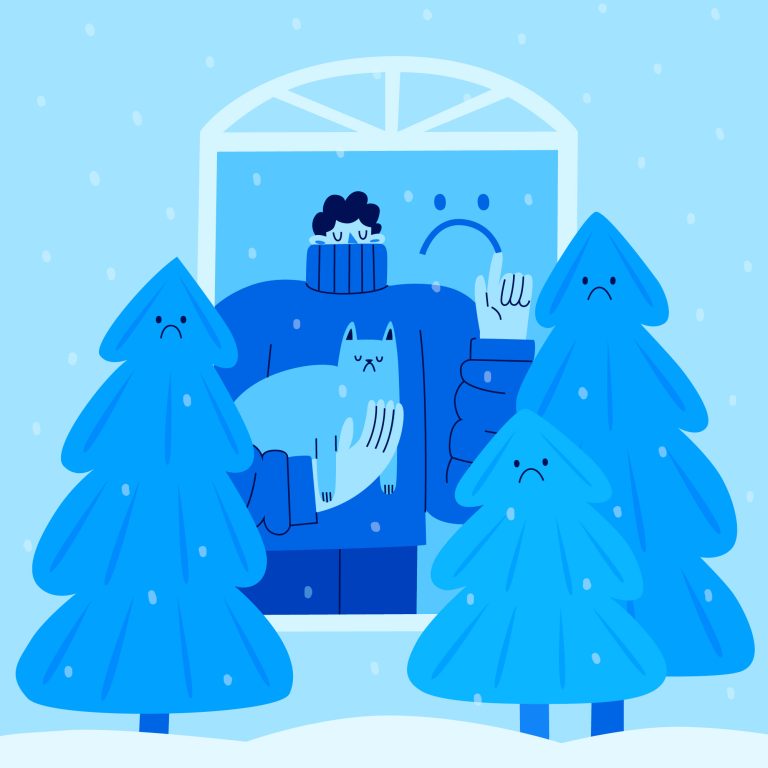
Why Do I Feel Depressed During the Holidays?
Why Do I Feel Depressed During the Holidays?
Understanding Holiday Depression, Common Triggers, and How to Cope
The holiday season is often described as “the most wonderful time of the year.” Streets are glowing with lights, stores play cheerful music, and social media overflows with photos of family gatherings and laughter. But for many people, the holidays bring something else—feelings of sadness, emptiness, or even deep depression.
If you’ve ever wondered, “Why do I feel depressed during the holidays?” you’re far from alone. You might also explore our post on understanding depression for more insight. Holiday depression—sometimes called the “holiday blues”—is a well-documented emotional response that can affect people of all ages and backgrounds. Understanding what drives it, and how to respond with compassion and care, can help you move through the season with greater peace and balance.
Understanding Holiday Depression
Holiday depression isn’t a formal diagnosis, but it often overlaps with conditions like Major Depressive Disorder, Anxiety Disorders, or Seasonal Affective Disorder (SAD). It typically occurs between late November and early January (during the Thanksgiving and Christmas holidays), when cultural expectations, social stress, and environmental changes converge.
For some, these feelings fade once the holidays pass. For others, they can linger into the new year—especially if unresolved grief, isolation, or burnout are part of the picture. Recognizing the root causes is the first step toward healing.
Common Causes of Feeling Depressed During the Holidays
1. Unrealistic Expectations and Cultural Pressure
From Hallmark movies to social media, the holidays are portrayed as perfect and joyful. When reality doesn’t match that fantasy—when relationships are strained, budgets are tight, or emotions are heavy—the contrast can create disappointment and shame.
“Everyone else looks so happy. What’s wrong with me?”
Nothing is wrong with you. Those picture-perfect moments are often curated. Most people experience stress, conflict, or sadness during the holidays, even if they don’t show it.
2. Loneliness, Grief, and Absence
For those who have lost loved ones or are separated from family, the holidays can intensify grief. Familiar songs, traditions, and memories can bring up waves of sadness. Even long-past losses may resurface.
Tip: Create a small ritual to honor lost loved ones—light a candle, display a photo, or write them a letter. Acknowledging grief rather than avoiding it can bring comfort and connection.
3. Financial Stress and Gift-Giving Pressure
Between shopping, travel, and social obligations, the holidays can put financial strain on families. Overspending often leads to guilt and anxiety. Instead of focusing on money or gifts, try giving presence over presents—shared experiences and genuine connection carry more meaning.
4. Family Dynamics and Emotional Triggers
Family gatherings can stir up old conflicts or difficult emotions. You can care about your family while still protecting your peace. Setting boundaries about topics, time limits, or visits helps preserve emotional well-being. Our family counseling services can help you navigate relationships with healthy boundaries.
5. Seasonal Affective Disorder (SAD)
Shorter daylight hours can disrupt your body’s internal clock and serotonin production. Common symptoms include low energy, fatigue, oversleeping, and sadness. If this pattern repeats yearly, consult a therapist or doctor about light therapy or other treatments.
6. Emotional and Physical Exhaustion
As the year ends, work, school, and personal demands often collide. When the body is depleted, emotions become harder to manage. Burnout can feel like depression. Prioritize rest, nutrition, and stillness—these are not luxuries, but necessities.
Coping Strategies for Holiday Depression
1. Set Realistic Expectations
Let go of the need for a “perfect” holiday. Focus on what truly matters—peace, presence, and meaning. Simplify your schedule and give yourself permission to say no when needed.
2. Stay Connected—Even in Small Ways
Isolation worsens depression. Even short connections—sending a text, meeting a friend, or volunteering—can make a big difference. If crowds are draining, choose smaller, more personal interactions.
3. Practice Mindful Self-Care
- Sleep: Keep a consistent rest schedule.
- Nutrition: Eat balanced meals; limit alcohol and sugar.
- Movement: Gentle exercise releases endorphins and relieves tension.
- Stillness: Practice daily breathing exercises, journaling, or meditation.
If you struggle to maintain balance, check out our guide to holiday self-care and stress relief.
4. Acknowledge and Validate Your Feelings
Emotions don’t follow calendars. It’s normal to feel sad during the holidays. Rather than fighting feelings, name and accept them.
“I’m feeling lonely right now, and that’s understandable.”
Validation turns emotions into information—it helps you understand what you need, rather than feeling shame for having them.
5. Manage Financial and Time Boundaries
Create a realistic budget before the holidays begin, and protect your schedule. Declining an event or gift exchange doesn’t mean you’re selfish—it means you’re prioritizing peace over pressure.
6. Create New Traditions
If old traditions cause pain, create new ones. That could mean volunteering, spending time outdoors, or celebrating with friends instead of family. Change can be deeply healing.
7. Limit Social Media
Social media can amplify comparison. Take digital breaks and focus on real-world connections. Replace scrolling with reading, art, or time in nature.
8. Seek Professional Counseling
If feelings of sadness or hopelessness persist, it may be time to seek professional help. You can start by exploring our therapy and counseling options or contact us to schedule a consultation. Therapy for holiday depression provides a safe space to process emotions and develop healthier coping tools. A counselor can help you:
- Process grief or unresolved loss
- Understand emotional triggers
- Reframe negative thoughts
- Develop coping strategies for stress and anxiety
How Counseling Can Help During the Holidays
At Enrichment Services, we understand the emotional complexity of the holidays. Our licensed therapist provides personalized counseling for:
- Holiday depression and anxiety
- Grief and loss during the holidays
- Stress, burnout, and emotional fatigue
- Relationship and family conflict
- Seasonal Affective Disorder (SAD)
We offer both in-person and virtual counseling sessions to meet your needs. Whether you need short-term support or ongoing therapy, our goal is to help you rediscover balance and emotional well-being. Sometimes a single conversation can start the healing process.
Final Thoughts: You’re Not Alone
Feeling depressed during the holidays doesn’t make you weak or ungrateful—it makes you human. The holidays are complex, blending joy and pain, light and shadow. By caring for yourself and seeking support, you can move through the season with compassion and hope.
You deserve peace, not perfection. If you’re struggling, don’t wait until the new year. Book a session with a compassionate therapist at Enrichment Services or visit Enrichment Services to learn more.
Enrichment Services
In-person therapy in our Tallahassee office.
Secure online therapy for all of Florida